
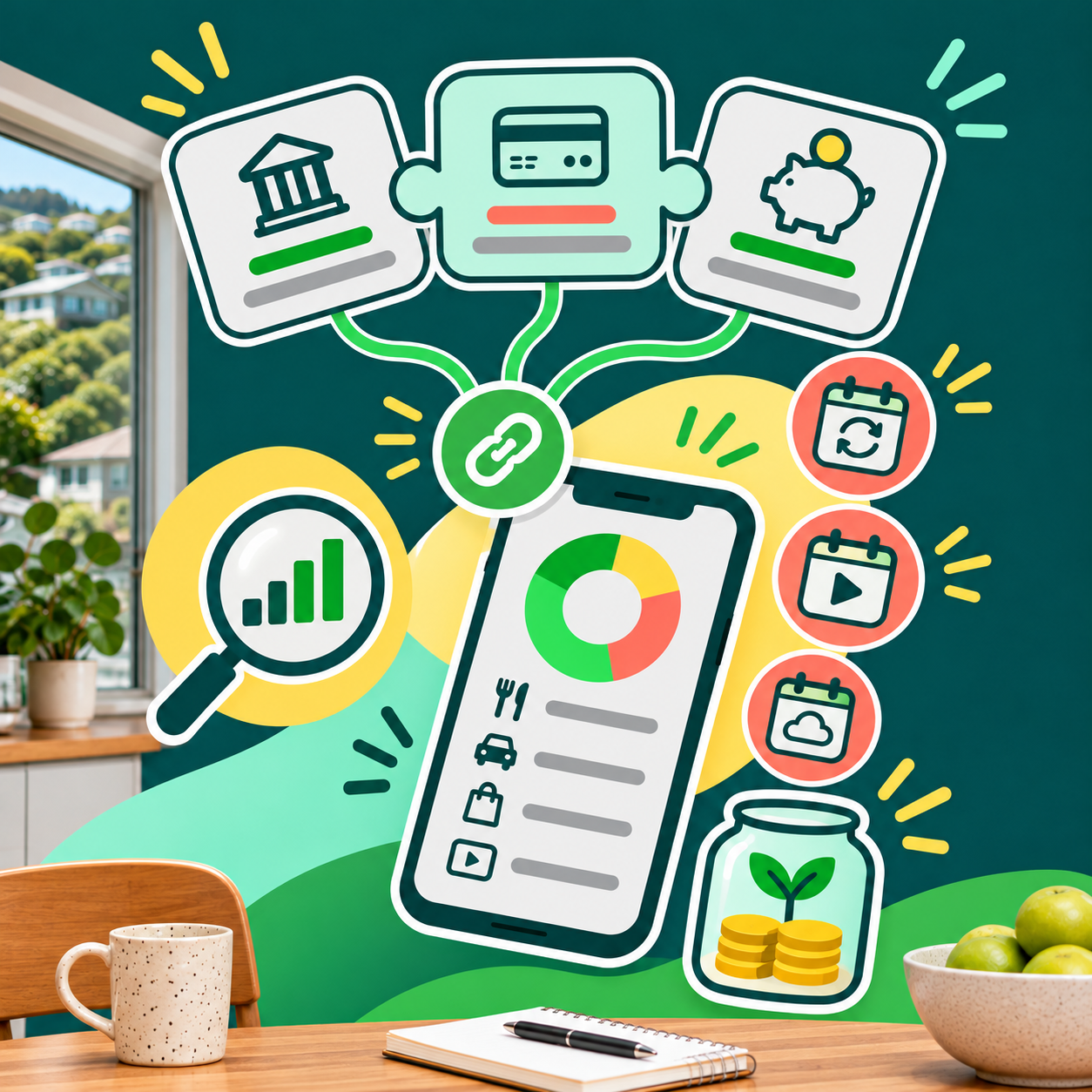
Most of us have money scattered across a few places. An everyday bank account, a savings stash, perhaps a credit card or personal loan, and another account we opened years ago because it seemed like a good idea at the time.
Keeping track can feel like organising the family for Christmas dinner. Everyone's doing their own thing, and nobody seems to be talking to each other.
That's where open banking comes in. It could make managing your money a whole lot simpler, without requiring you to become a spreadsheet enthusiast.
What is open banking?
It's a secure, regulated way to give an accredited business permission to access certain banking information or initiate payments on your behalf.
Why should you care?
It could help you see information from different bank accounts together, spot forgotten subscriptions, understand your spending or make financial applications easier.
Is it safe?
Regulated open banking has security and privacy safeguards, but you still need to check who you're dealing with and what information you're agreeing to share.
Do you have to use it?
Nope. It's your choice.
That's the short version. Want to know how it works and whether it's actually useful? Grab a flat white and read on.
Imagine your salary goes into one bank account, your household bills come out of another, and your savings live somewhere else entirely.
Normally, understanding your overall financial position means logging into different accounts, checking balances and piecing everything together yourself.
Open banking allows you to authorise an accredited service to access certain information from participating banks. Depending on what the service offers, it might then bring that information together so you can see it more easily.
Think of it as getting the pieces of your financial jigsaw into one box, rather than scattered around the house. Although hopefully nobody has hidden a piece under the couch.
In New Zealand, regulated open banking operates under the Customer and Product Data Act 2025. Participating organisations must follow rules about security, accreditation and customer permission.
And there's an important distinction: you don't have to give the service your internet banking password. The regulated process allows you to authorise access securely through your bank.
It also doesn't automatically connect every financial product you have. The information available depends on the participating banks, eligible accounts and services involved. KiwiSaver information, for example, isn't part of the current regulated banking-data arrangements.
This is where things get interesting. Open banking isn't particularly exciting because of the technology itself. It's exciting because of what people could do with the information.
Most of us have a reasonable idea of what we spend. But there's often a difference between what we think leaves our accounts and what actually does.
Subscriptions are a classic example. A few dollars here, another monthly payment there, and suddenly you've got three streaming services, two cloud-storage subscriptions and something called Premium Plus that nobody remembers signing up for.
Financial tools using authorised banking information could help identify recurring payments and spending patterns, making it easier to see what's happening.
Unfortunately, they won't necessarily cancel your forgotten subscriptions for you. You'll still have to have that conversation with your past self.
Applying for a loan or another financial product can involve providing information about your income, expenses and existing commitments.
Open banking could make some of that information easier to share securely, reducing the need to download statements and manually provide documents.
But sharing information doesn't guarantee loan approval. Lenders still need to consider affordability, their lending criteria and your circumstances.
It's about potentially making the process easier, not bypassing responsible lending.
We think this is where the bigger opportunity lies.
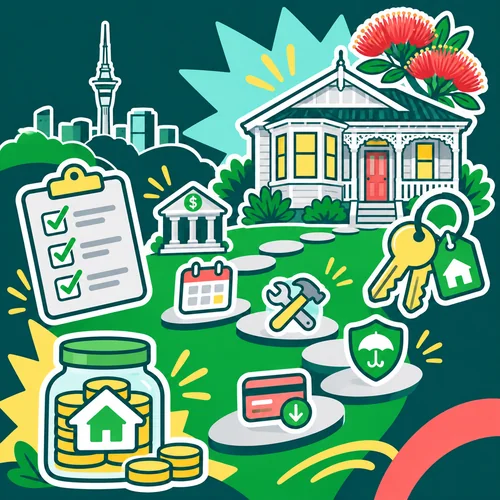
Imagine you're working towards buying your first home. You've got savings, some existing debt and a fairly clear idea of what you'd like to achieve.
But what would actually help you get closer?
Would paying off a particular debt make a difference? Could you build a savings buffer? Are there regular commitments you haven't accounted for?
A more connected view of your finances could help you understand those relationships.
Of course, information alone doesn't create change. But understanding where you are is a pretty useful starting point for deciding what to do next.
The real opportunity isn't simply seeing where your money went yesterday. It's understanding what you could achieve tomorrow.
Your banking information can reveal a lot about your life, so it's worth being thoughtful about who gets access to it.
New Zealand's regulated open-banking framework requires businesses accessing customer information to be accredited, and customers must authorise the sharing.
That doesn't mean every business claiming to offer open banking is trustworthy. Nor does it mean every service that accesses bank information operates under the regulated framework.
Before connecting an account, ask yourself:
Under regulated open banking, you can revoke an authorisation. However, withdrawing access doesn't necessarily mean information already legitimately collected is immediately deleted.
And never share your banking password or security codes with someone who contacts you unexpectedly, even if they claim they're helping you set up open banking.
If you're unsure about a service, check with your bank or verify the organisation's accreditation before proceeding.
There's no need to rush out and change banks or download another app just because you've heard about open banking.
If a service looks useful, find out what it offers, what it costs, whether it's accredited and which accounts it supports.
Then ask yourself one simple question: Will this genuinely help me understand or manage my money, or is it just another app to look after?
Because the cleverest technology isn't always the flashiest. Sometimes it's simply the thing that makes your life a little easier.
At Money Sweetspot, we believe financial services should help people understand their money and make progress towards what matters to them — not just sort people into boxes or make them feel like another number.
Open banking has the potential to support that by making financial information more accessible and useful.
But the technology isn't the goal. More understanding, choice and financial progression are.
Because your financial life shouldn't require a detective, three spreadsheets and a triple-shot flat white just to figure out what's going on.


You are protected by responsible lending laws. Because of these protections, the recommendations given to you about our loan products are not regulated financial advice. This means that duties and requirements imposed on people who give financial advice do not apply to these recommendations. This includes a duty to comply with a code of conduct and a requirement to be licensed. Responsible lending criteria, rates, fees and contract terms apply. For more information visit useful information.
© 2026 Money Sweet Spot Limited


